Environmental impact of fastener electroplating process and compliant environmental protection optimization plan
Electroplating is a mainstream surface protection process in the fastener industry, widely applied to products such as bolts, nuts, washers, and mechanical fasteners for anti-corrosion, rust prevention, and beautification purposes. With its advantages of strong coating adhesion, good corrosion resistance, and wide adaptability, it has become a core process in the production and processing of hardware fasteners. However, the traditional fastener electroplating process involves multiple steps such as acid pickling, activation, electroplating, passivation, and cleaning, which continuously generates pollutants such as wastewater, waste gas, and solid waste during production. If production control is not standardized and pollutant treatment does not meet standards, it can have a lasting impact on water bodies, air, soil, and the ecological environment. This article provides a detailed breakdown of the various environmental impacts of the fastener electroplating process, while also outlining compliant environmental rectification and optimization plans, serving as a reference for fastener manufacturing enterprises to pursue green production and compliant operations.
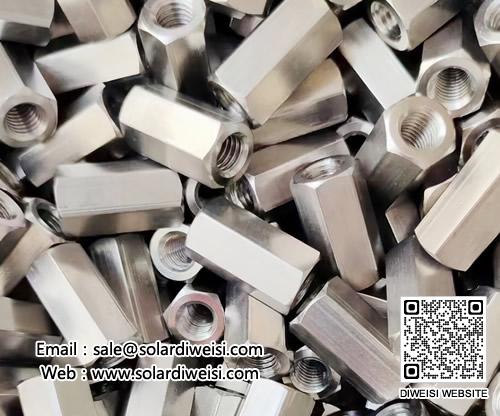
I. Overview of the core production process of fastener electroplating
To gain a clear understanding of the environmental impact of electroplating processes, one must first comprehend the standardized electroplating procedure for fasteners. The conventional electroplating of fasteners primarily encompasses three major steps: pretreatment, electroplating, and post-treatment. Pretreatment mainly involves acid pickling, degreasing, and water washing, aimed at removing oxide scales, oil contaminants, and impurities from the surface of the fasteners. The core electroplating step involves depositing metal coatings such as zinc, nickel, and chromium on the surface of the fasteners through electrolytic reaction in the electrolyte. Post-treatment includes passivation, sealing, cleaning, and drying, aimed at enhancing the corrosion resistance and visual quality of the coating.
The entire process consumes a large amount of chemical agents and water resources, and is accompanied by the continuous production of pollutants. Different processes correspond to different types and levels of pollution, which also poses a challenge for environmental control in fastener production.
II. Main environmental impacts of fastener electroplating process
The pollution generated by fastener electroplating is characterized by its persistence, concealment, and accumulation. It primarily falls into four categories: water pollution, air pollution, solid waste pollution, and soil ecological pollution. Improper disposal of these pollutants can cause regional environmental damage.
1. Water pollution: core source of pollution
Electroplating production is a highly water-consuming process. Each step of fastener cleaning, activation, and passivation generates a large amount of production wastewater, which is also the main source of pollution in electroplating processes. The composition of electroplating wastewater is complex and can be divided into multiple types, including heavy metal-containing wastewater, acid-base wastewater, cyanide-containing wastewater, organic wastewater, and so on.
Among them, the wastewater generated by galvanizing and chromium plating processes contains heavy metal ions such as hexavalent chromium, zinc, and nickel. Hexavalent chromium is highly toxic and stable. Once it flows into natural water bodies, it is difficult to degrade naturally and will continue to accumulate in the aquatic ecosystem, inhibiting the growth of aquatic organisms and disrupting the balance of the water body. At the same time, the acid-base wastewater generated by the acid pickling process has an excessive pH level. Random discharge can change the pH value of the water body, causing salinization and acidification of the water body. Some traditional electroplating processes use cyanide-containing auxiliaries, which generate highly toxic cyanide-containing wastewater, posing a hidden danger to the aquatic ecosystem and surrounding water environment.
In addition, organic substances such as electroplating auxiliaries, complexing agents, and surfactants contained in wastewater will increase the COD value of the water body, leading to eutrophication, turbidity, and odor development. Long-term pollution can cause irreversible damage to the regional water environment.
2. Air pollution: air pollution in the workshop and its surrounding areas
During the pretreatment and electroplating process of fasteners, various harmful gases will continuously be emitted, mainly including hydrogen chloride and sulfuric acid mist generated during the acid pickling step, chromic acid mist generated during the electroplating passivation step, as well as organic and acid-base waste gases formed by the volatilization of chemicals.
Compared to industrial heavy-duty exhaust gas, electroplating exhaust gas has a lower concentration but stronger persistence. Long-term unorganized emissions can lead to normalized air pollution, making it a verification item for environmental inspections.
3. Solid waste pollution: heavy metal residue pollution
The production of fastener electroplating generates a large amount of solid waste, primarily consisting of electroplating sludge, discarded filter materials, residues from scrapped electroplating baths, and cleaning waste. Electroplating sludge is the core solid waste pollutant, enriched with various heavy metal components such as zinc, chromium, and nickel, and falls under the category of hazardous solid waste.
If such solid waste is randomly piled up, simply landfilled, or disposed of in violation of regulations, the heavy metals in the sludge will leach into the surface through rainwater, remaining on the soil surface and being difficult to decompose and dissipate. Long-term accumulation can lead to excessive levels of heavy metals in the soil, soil compaction, damage to the soil microbial environment, decreased soil fertility, and impact on the growth of surrounding vegetation and crops. At the same time, heavy metals will infiltrate with rainwater and pollute groundwater, causing dual pollution of soil and groundwater, with high treatment and remediation costs and long periods.
4. Soil and ecological chain pollution
The wastewater, waste gas, and solid waste generated by electroplating can trigger a chain reaction of pollution, exerting concentrated impacts on soil and regional ecology. The heavy metal pollution resulting from wastewater infiltration, waste gas deposition, and solid waste leakage will persistently accumulate in the soil, leading to the formation of regional heavy metal contaminated sites.
Crops grown in contaminated soil will adsorb heavy metals, causing secondary pollution through ecological cycles; meanwhile, heavy metals in soil will continue to infiltrate into groundwater, resulting in groundwater quality exceeding standards and affecting the ecological balance of surrounding soil and water. This type of ecological pollution is characterized by strong concealment, high difficulty in remediation, and long duration, and is also a core pain point for environmental compliance management and control in fastener electroplating enterprises.
III. Challenges in Environmental Protection Control in the Fastener Electroplating Industry
Compared to other manufacturing industries, environmental control in fastener electroplating poses greater challenges. The main reasons are as follows: Firstly, fasteners are small-scale mass-produced products, and the electroplating process requires strong continuity, resulting in a large amount and frequent generation of pollutants, making it difficult to achieve intermittent emission reduction. Secondly, the types of electroplating pollutants are diverse, and wastewater, waste gas, and solid waste need to be treated separately, which cannot be achieved with a single treatment equipment. Thirdly, traditional electroplating processes rely on highly polluting chemical auxiliaries, limiting the space for source reduction. The technological upgrading of small and medium-sized fastener factories lags behind, making them prone to issues such as non-compliant treatment and inadequate operation and maintenance.
IV. Green and environmentally friendly optimization plan for fastener electroplating process (compliant and feasible)
Against the backdrop of increasingly stringent environmental protection policies, fastener electroplating enterprises need to optimize their processes and management from three dimensions: emission reduction at the source, mid-stage treatment, and end-of-pipe disposal, to achieve green and compliant production.
1. Upgrade the source process to reduce the output of pollutants
Eliminate traditional high-pollution electroplating processes, promote clean production technologies such as cyanide-free electroplating, low-chromium passivation, and chromium-free sealing, replace highly toxic and highly polluting chemical auxiliaries, and reduce the use and emission of heavy metals and toxic and harmful substances from the source. At the same time, optimize production processes, adopt countercurrent cleaning and water-saving cleaning processes, reduce water consumption, and decrease wastewater output and pollutant concentration. For fasteners with conventional anti-corrosion requirements, low-pollution coating processes such as galvanizing and zinc-nickel alloy plating can be reasonably combined to replace traditional high-pollution chromium plating processes.
2. Equipped with mid-range supporting environmental protection devices, achieving compliance with pollutant treatment standards
Establish a comprehensive pollutant treatment system, implement separate treatment for different types of wastewater, and separately collect chromium-containing, nickel-containing, and acid-base wastewater. Purify these wastewaters through a combination of processes such as chemical precipitation, ion exchange, and biochemical treatment, and only discharge or recycle them after they meet the standards. For waste gas, equip with acid mist absorption towers, activated carbon adsorption devices, and negative pressure collection systems to centrally collect and neutralize acid-base waste gas and chromic acid mist. Ensure that production workshops are well sealed to reduce the diffusion of waste gas and the overflow of dust.
3. Standardize terminal disposal to prevent secondary pollution
Dangerous solid wastes such as electroplating sludge and waste residue should be stored separately and sealed, with records kept. They should be handed over to qualified professional institutions for harmless and resourceful disposal. Random stacking and unauthorized landfill are strictly prohibited. Regular operation and maintenance of wastewater treatment equipment and exhaust gas purification devices should be carried out, with filter materials and chemicals replaced to ensure the stable operation of environmental protection equipment and ensure that pollutants are discharged continuously in compliance with standards.
4. Implement normalized control and improve the compliance system
Establish an environmental management system for electroplating production, standardizing the entire process from chemical storage, process operation, to pollutant treatment; regularly conduct self-inspection of water quality, waste gas, and soil, maintain inspection records, and adapt to the regulatory requirements of environmental protection departments. At the same time, promote resource recycling, recover metal resources from wastewater through electrolysis, extraction, and other technologies, improve resource utilization, and reduce production energy consumption and pollution emissions.
V. Summary
The traditional electroplating process for fasteners can have multiple negative impacts on water bodies, air, soil, and regional ecology. Among these, the long-term pollution hazards posed by heavy metal wastewater and electroplating solid waste are particularly prominent, and they are also the core focus of environmental compliance management for fastener manufacturing enterprises. However, through the optimization of the entire process, including source process upgrading, accurate treatment of mid-stream pollutants, and standardized end-of-pipe disposal, the environmental impact of the electroplating process can be effectively reduced, achieving a balance between electroplating production and ecological environmental protection. For fastener manufacturing enterprises, upgrading to green electroplating processes and improving environmental management systems not only help avoid environmental compliance risks but also represent an inevitable trend towards high-quality and sustainable development in the industry.